
glass stair panels
The Dual Facets of Fence Spikes Security and Controversy In the realm of property protection and perimeter security, fence spikes have emerged as a popular deterrent against unauthorized intrusion and unwanted climbers. These sharp, metal protrusions, typically fixed along the top of fences or walls, embody a simple yet effective approach to enhancing security measures. However, they also spark debates surrounding their ethical implications and potential harm to both humans and animals. This article delves into the dual facets of fence spikes – their role in bolstering security and the controversies that surround their use. **Security A Pragmatic Defense Mechanism** Fence spikes, often made from corrosion-resistant materials like stainless steel or aluminum, serve as a physical barrier that discourages would-be intruders. Their menacing appearance alone acts as a psychological deterrent, signaling that any attempt to scale the fence will result in injury. This passive security measure is particularly favored for commercial properties, warehouses, government facilities, and even residential homes seeking an additional layer of protection without the ongoing costs associated with electronic surveillance systems. Their design varies from blunt-tipped to sharply pointed, with some models featuring a reverse angle that makes it difficult for individuals to dismount once they've climbed onto the spikes. This not only prevents intrusion but can also buy valuable time for security personnel or law enforcement to respond. Furthermore, fence spikes are generally easy to install and require minimal maintenance, making them a cost-effective security solution. **Controversies Balancing Safety and Ethics** While the security benefits of fence spikes are undeniable, they have also become a subject of controversy due to safety and ethical concerns. Critics argue that these devices pose a significant risk to unsuspecting or desperate individuals who may attempt to scale a fence, leading to injuries ranging from minor cuts to severe lacerations and even life-threatening falls if a climber loses balance. The ethical debate extends beyond human welfare to include animal rights. Stray animals or wildlife attempting to traverse fences can inadvertently come into contact with these spikes, causing unnecessary suffering Stray animals or wildlife attempting to traverse fences can inadvertently come into contact with these spikes, causing unnecessary suffering Stray animals or wildlife attempting to traverse fences can inadvertently come into contact with these spikes, causing unnecessary suffering Stray animals or wildlife attempting to traverse fences can inadvertently come into contact with these spikes, causing unnecessary suffering fence spikes . This has led animal welfare organizations to raise concerns about the indiscriminate harm inflicted by such security measures. Legal frameworks in various jurisdictions reflect this dichotomy. Some cities have outright banned or heavily regulated the use of sharp fence spikes in public areas, emphasizing the need for more humane alternatives. Others mandate clear warning signs to alert individuals of the potential danger, striking a balance between security needs and public safety. **Alternative Solutions and the Path Forward** Acknowledging the controversies, developers and security experts are exploring alternative designs that maintain deterrence while minimizing harm. One such innovation includes rounded or blunted tips that still make climbing difficult but reduce the risk of injury. Coating the spikes with non-slip materials can further discourage attempts without causing severe injuries. Another approach involves integrating electronic surveillance with physical barriers, leveraging technology like motion sensors, infrared cameras, and alarm systems to detect and deter intruders without relying solely on potentially harmful physical deterrents. Ultimately, the deployment of fence spikes underscores the complex interplay between security needs and ethical considerations. As societies strive to protect their assets, the challenge lies in adopting security measures that are both effective and respectful of human dignity and animal welfare. Through continued innovation and responsible implementation, it is possible to strike a balance that upholds security without compromising on ethical standards.
about
glass stair panels
The Timeless Elegance of Copper Post Caps Enhancing Outdoor Spaces Copper, a material known for its durability and aesthetic appeal, has been a favorite in architectural detailing for centuries. One such application that showcases its charm is the use of copper post caps. These small yet significant elements not only serve a functional purpose but also add a touch of sophistication and warmth to any outdoor space. Post caps, in general, are protective covers placed on the top of fence posts or deck posts. They shield the wood from moisture and weathering, thereby extending the lifespan of the structure. When crafted from copper, these caps elevate their functionality to a new level. Copper, with its reddish-brown hue, has a unique ability to patina over time, developing a greenish-blue tint known as verdigris. This transformation adds character and depth to the post caps, making them a living piece of art in your outdoor setting. The installation of copper post caps is a simple yet impactful way to enhance the overall appearance of your fence or deck. Whether you have a traditional, rustic, or modern design, copper post caps can complement and enhance the style seamlessly. Their reflective surface can catch and play with light, creating a warm glow during the day and a subtle luminescence at night when paired with solar lights. Moreover, copper post caps come in various styles and designs, catering to diverse tastes. From the classic pyramid shape to more intricate designs like the fleur-de-lis or the ball top, each style brings a unique element to your outdoor space From the classic pyramid shape to more intricate designs like the fleur-de-lis or the ball top, each style brings a unique element to your outdoor space From the classic pyramid shape to more intricate designs like the fleur-de-lis or the ball top, each style brings a unique element to your outdoor space From the classic pyramid shape to more intricate designs like the fleur-de-lis or the ball top, each style brings a unique element to your outdoor space copper post caps . You can choose a design that aligns with the architectural style of your home or opt for a contrasting look to create a focal point. In addition to their visual appeal, copper post caps offer practical advantages. They act as a barrier against insects and water damage, preventing rot and decay. Copper's natural antimicrobial properties also make it resistant to fungal growth, ensuring the longevity of your posts. Maintaining copper post caps is relatively straightforward. While they will naturally develop a patina, if you prefer to retain their original shine, regular cleaning and polishing can be done. However, many appreciate the beauty of a weathered copper cap, embracing the organic evolution it undergoes over time. In conclusion, copper post caps are not just functional accessories; they are a testament to the enduring appeal of copper as an architectural material. They add a touch of elegance, durability, and personality to any outdoor structure, transforming it into a visually captivating and long-lasting feature. So, the next time you consider upgrading your fence or deck, consider the timeless charm of copper post caps – an investment in both style and functionality.
-

High quality industrial productsagement

High quality industrial products
View Details -

Meet the diverse needs of customers

Meet the diverse needs of customers
View Details -

Strict quality control

Strict quality control
View Details -

Top raw materials

Top raw materials
View Details -

Trusted supplier

Trusted supplier
View Details
Our application

news and information
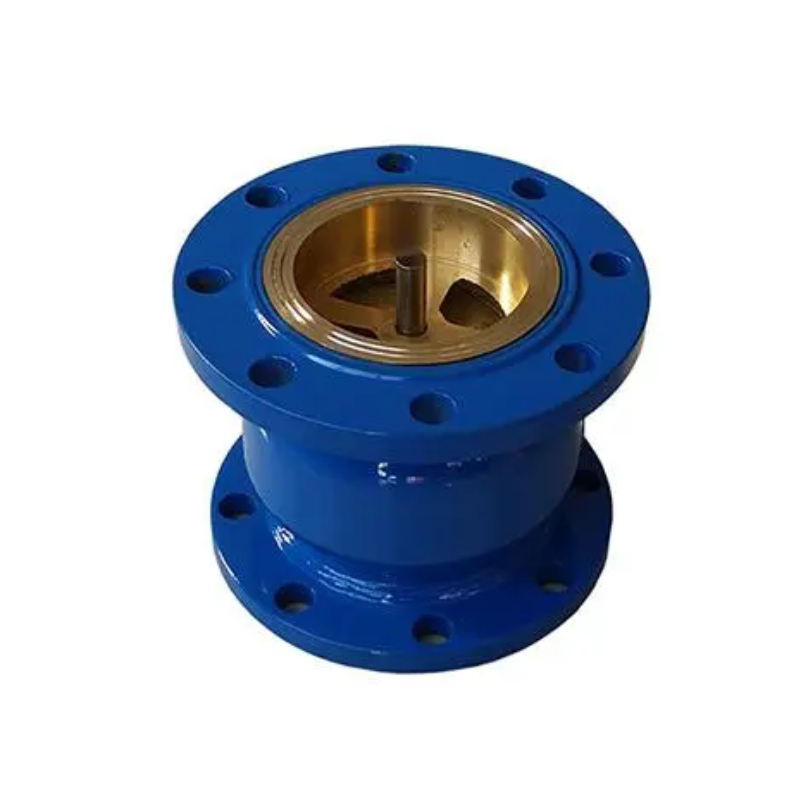
Water Valves_ Choosing the Right Type for Your Needs
When it comes to managing your water supply, selecting the right water valves is paramount. From mai
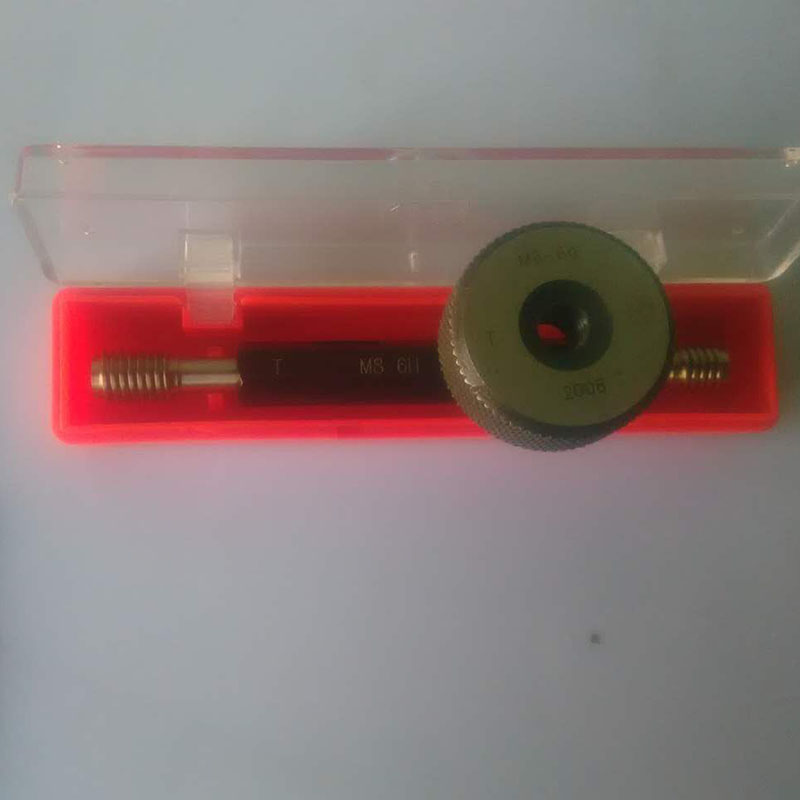
working thread plug gage
Understanding Working Thread Plug Gages Importance and Applications In the world of manufacturing an
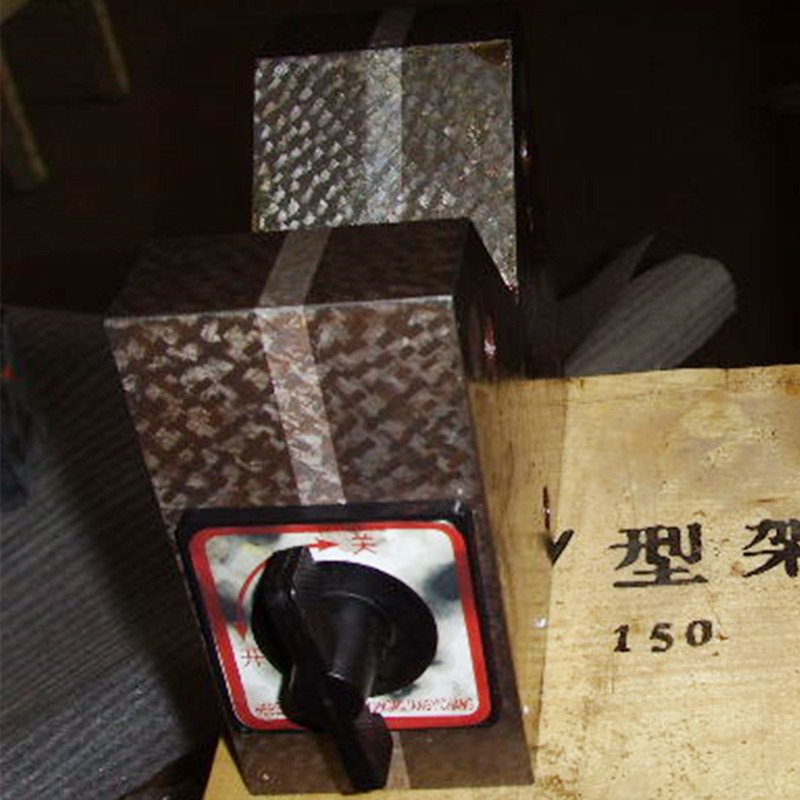
Y Type Suction Strainer Overview and Applications in Fluid Systems
Understanding Y-Type Suction Strainers A Vital Component in Fluid Systems In various industrial appl
 English